The Projector That Has Not Been Switched On Since The Demonstration#
A school announces digital classrooms. There is a presentation with photographs of children looking at bright screens. A new line appears on the fee receipt, and it is not small. Parents pay, because parents generally do.
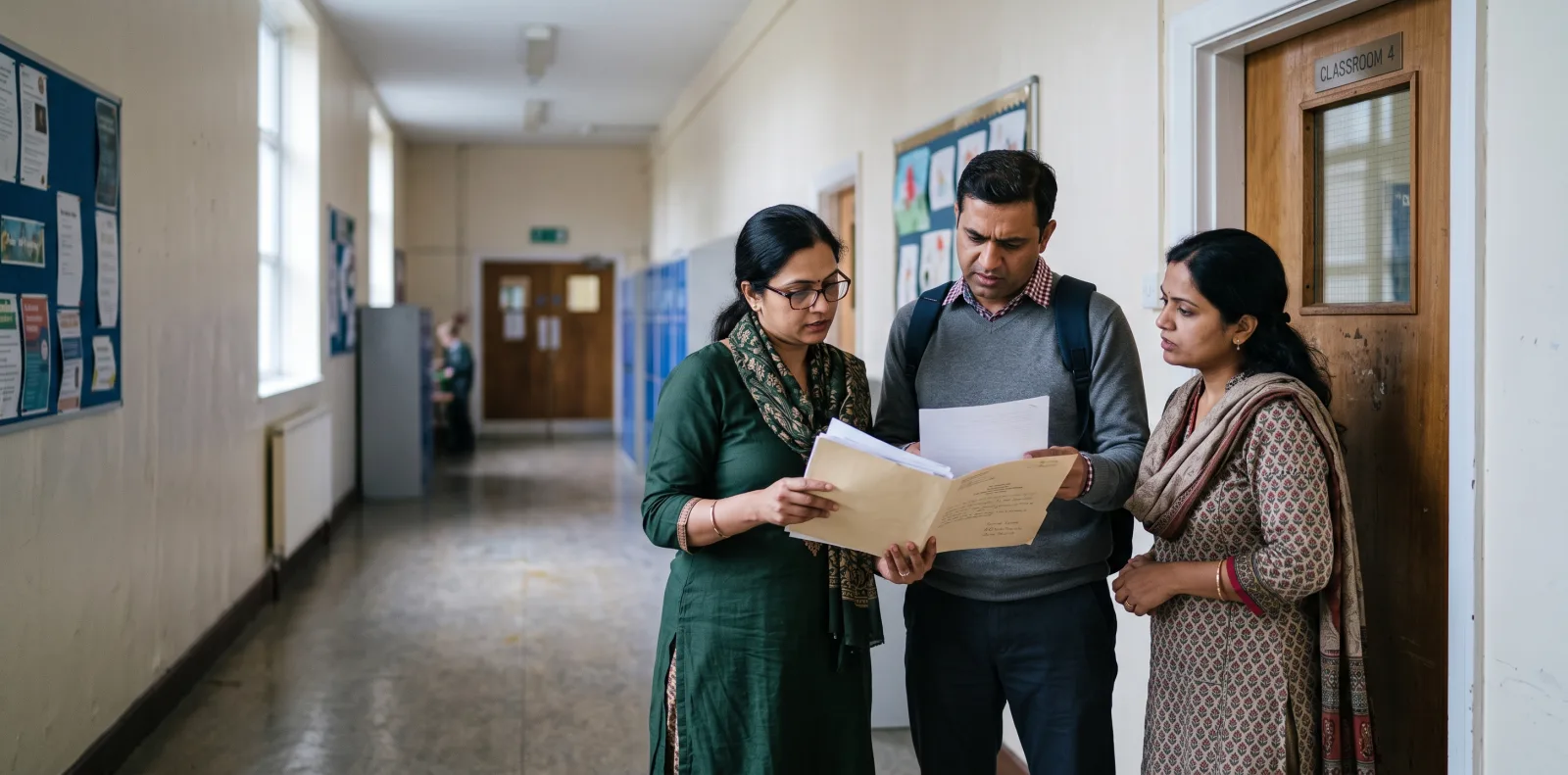
A year later, a child mentions in passing that the projector in their classroom does not work, and that it has not worked since around the time it was installed. A few parents compare notes. Some classes have functioning equipment. Some do not. Nobody has been told anything either way.
Now, before going further, two things need saying, because the honest version of this article is more useful than the angry one.
Most schools are not running a scam. Running a school is expensive. Teacher salaries dominate the budget, equipment genuinely fails, technicians are genuinely hard to find in smaller towns, and a projector that stops working in October is more often a maintenance backlog than a fraud.
And parents are entitled to ask. You are paying a specified charge for a specified facility. Asking what it bought, whether it works, and how the money was accounted for is an ordinary and reasonable request, not an act of hostility.
The useful skill is knowing what the rules actually require, what evidence to gather, and how to escalate calmly and effectively when asking politely has not worked. That is what this article covers.
Background: What The Rules Actually Say#
Indian school fee regulation is a patchwork, and knowing which rules apply to your school is the first step.
The RTE Act 2009. The Right of Children to Free and Compulsory Education Act prohibits the collection of capitation fees and prohibits screening procedures for admission. Capitation fee means any payment beyond the fee notified by the school, demanded as a condition of admission. This applies broadly to elementary education.
CBSE affiliation bye-laws. Schools affiliated to CBSE agree to conditions as part of affiliation. These include requirements that fees be commensurate with the facilities provided, that schools not charge capitation fees or accept donations for admission, that funds collected be used for the school's own purposes rather than transferred elsewhere, and that proper accounts be maintained. Schools are also required to publish specified information, and CBSE has the power to act against affiliated schools that breach the conditions, up to and including withdrawal of affiliation.
State fee regulation legislation. Several states have enacted their own laws establishing fee regulatory committees with the power to examine and fix fees at private schools. Where such a committee exists in your state, it is frequently the most effective forum, because it has statutory power over fees specifically. Whether your state has one, and what its scope is, varies considerably.
Consumer protection law. Education services have been the subject of consumer forum proceedings, though the position on what constitutes a service under consumer law in the education context has been litigated and is not uniform. It remains a route parents have used, particularly for specific charged facilities that were not provided.
Parent Teacher Associations. Many states require schools to constitute a PTA, and in some states the PTA has a formal consultative role in fee decisions. A functioning PTA is by far the most effective early forum, because collective enquiry carries weight that an individual complaint does not.
Two terms worth defining:
Fee head. A named component on the fee structure, such as tuition fee, development fee, computer fee, smart class fee, activity fee or transport fee. A properly constituted fee structure lists these separately.
Development fee. A charge intended for capital expenditure such as infrastructure and equipment, as distinct from recurring operational costs. Rules in several states restrict what proportion of total fees this may constitute and require it to be used for capital purposes and accounted for accordingly.
What You Can Reasonably Ask For#
Keep requests specific, written and polite. Vague grievances are easy to deflect. Specific documented requests are not.
The complete fee structure with heads. Every charge, named, with amounts, for the current year. Schools are generally expected to publish this, and many do so on their websites.
What a specific fee head covers. If there is a smart class fee, ask in writing what facility it funds, in which classrooms, and how often it is used per week per class. This is a reasonable question with a factual answer.
The fee structure for the preceding three years. This lets you compute the actual rate of increase rather than accepting a stated one, and reveals fee heads that appeared, disappeared or grew sharply.
Whether accounts are audited, and what the school's policy is on sharing summary financial information. Practice varies and entitlement varies by state and school category, but asking is legitimate, and the manner of the response tells you something.
Minutes of PTA meetings where fees were discussed, if your state requires a PTA and it has met.
The school's own affiliation and recognition details, which are published and which tell you which regulator you would approach.
Gathering Evidence Properly#
This matters more than indignation. A complaint with documentation is acted upon. A complaint without it is filed.
Write everything down, contemporaneously. Dates, what was said, who said it, what was promised.
Convert conversations to writing. After a meeting, send a short email summarising what was discussed and agreed, and ask for correction if anything is inaccurate. This creates a record and is entirely normal professional practice.
Keep every receipt. Fee receipts should itemise heads. If they do not, request itemised receipts in writing, which is a reasonable request.
Collect factual observations from your own child, carefully and without leading them. How many times this month was the projector used? Is the computer laboratory open during the computer period? Are there enough working machines for the class?
Compare with other parents. A pattern across many classes is evidence. A single classroom with a broken device is a maintenance issue.
Do not photograph inside the school without permission, and do not involve children in gathering evidence in any way that could expose them to difficulty. This is important. A child should never be placed in the middle of a dispute between their parents and their school.
Avoid social media as a first step. Public accusation before the school has had a fair chance to respond damages your position, can expose you to legal risk if the claim turns out to be wrong, and frequently hardens the school against resolution.
The Escalation Ladder#
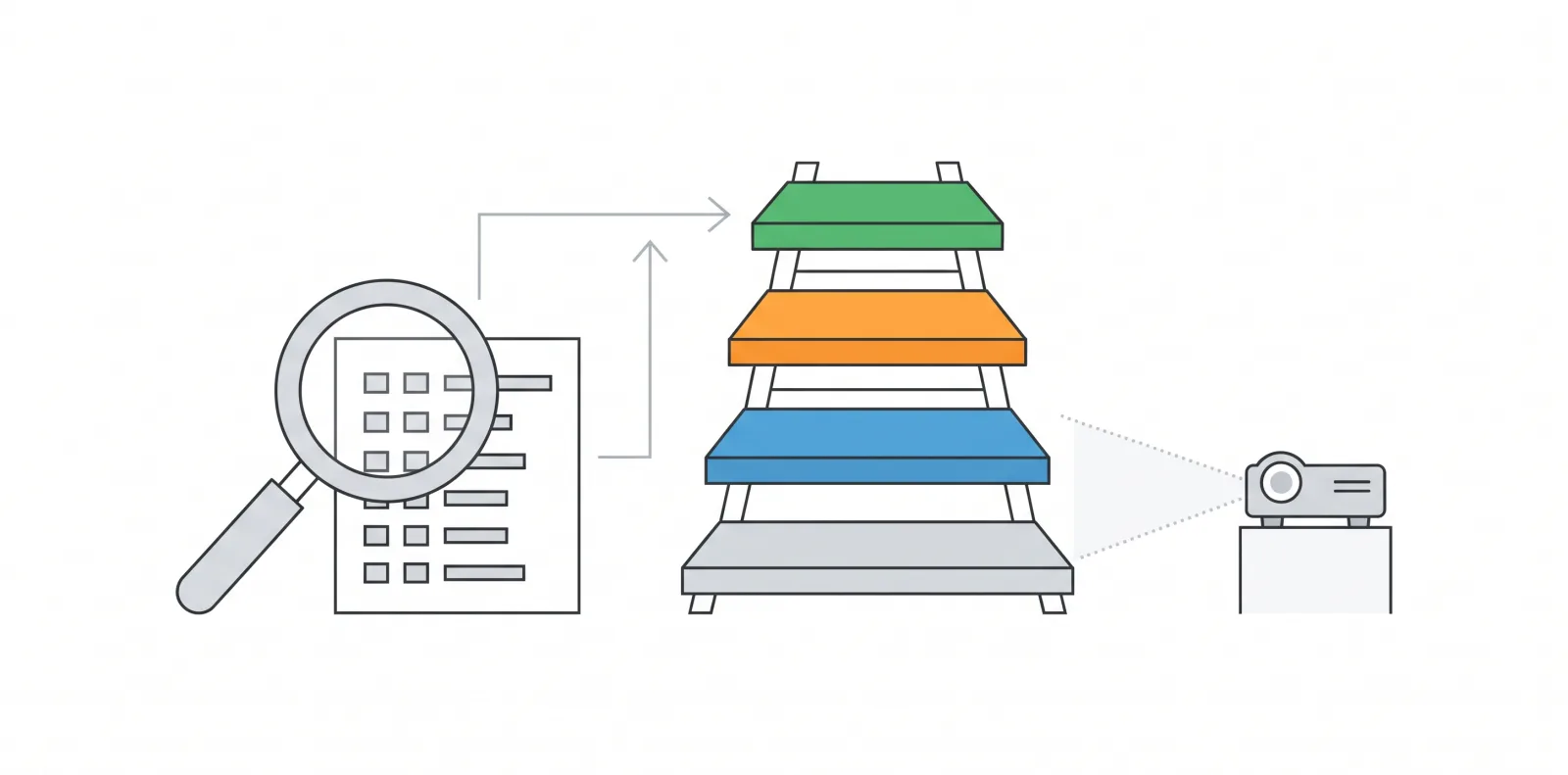
Work upwards. Skipping steps usually gets you sent back down.
| Step | Where to go | What to bring | Realistic expectation |
|---|---|---|---|
| 1 | Class teacher or coordinator, informally | Your specific question, politely asked | Often resolves genuine maintenance issues quickly. Many problems end here |
| 2 | Principal, in writing | A short letter stating the specific fee head, the specific facility, and the specific question, with a request for a written reply within a stated reasonable period | A written response you can rely on later, or a documented absence of one |
| 3 | Parent Teacher Association or school management committee | Your documentation, plus other parents with the same experience | Collective enquiry carries real weight and schools respond to it differently from individual complaints |
| 4 | School management or trust, in writing | The full file, including the unanswered letter to the principal | Escalation above the principal sometimes unlocks what the school level would not |
| 5 | State fee regulatory committee, where your state has one | Complete documentation, fee structures for three years, correspondence | This is the specialist forum with statutory power over fees. Where it exists, it is usually the most effective route |
| 6 | State education department or district education officer | Complete documentation | Handles recognition and compliance matters for schools under state jurisdiction |
| 7 | CBSE, for affiliated schools | Complete documentation, referencing the specific bye-law provisions | CBSE can act on affiliation conditions, though processes take time |
| 8 | Consumer forum or legal advice | Complete documentation and professional advice | A genuine route, but slower and more demanding. Take advice on whether your specific complaint fits |
At every step, keep the tone factual. The most effective complaints are the ones that read like a dispassionate account of what was paid for, what was provided and what was asked, with dates and documents attached.
Being Fair To Schools#
A balanced view will make you more effective, not less.
Costs are real and salaries dominate. Teacher salaries typically consume the large majority of a school's recurring budget. A fee increase is often driven by salary revision rather than by anything visible to parents.
Equipment fails and technicians are scarce. A projector that stops working in a school an hour from the nearest service centre may genuinely take weeks to repair. That is a management failing at worst, not a fraud.
Teacher training is the real bottleneck for digital classrooms. A school can install screens in every room and see almost no change in teaching if nobody was trained to use them. This is extremely common, it is a genuine problem, and the honest question to ask is about training rather than only about hardware.
Digital tools are not automatically better teaching. Research on educational technology consistently finds that outcomes depend on how a tool is used rather than on its presence. A well-taught lesson with a blackboard beats a poorly-taught one with a screen. If you are paying for smart classrooms, the question worth asking is what the teaching actually looks like, not how many devices were purchased.
Not every complaint is justified. Sometimes a facility exists, functions, and is used, and a parent has been told otherwise by a child who was not paying attention. Check before escalating.
What A Reasonable Response From The School Looks Like#
It helps to know what you are hoping for, because it makes it easier to recognise both a genuine answer and an evasion.
A good response names the facility and its status. For example, that smart classroom equipment is installed in a stated number of rooms, that a particular number are currently functioning, that repairs are scheduled, and that teachers received training on a stated date. Specific, checkable, and honest about problems.
A good response explains the fee head. What it funds, whether it is a recurring charge or a capital one, and how it relates to what was installed. Schools are not obliged to open their books to every parent, but they can describe what a named charge pays for.
A good response acknowledges a shortfall where one exists. A school saying that two projectors have been out of service since August, that a technician visit is booked, and that the fee will be reviewed if the problem persists, is behaving reasonably. Perfection is not the standard. Honesty and a plan are.
A poor response deflects to generality. Talk about the school's overall investment in technology, its vision, or its reputation, without addressing the specific question asked, usually means the specific answer is uncomfortable.
A poor response treats the question as an attack. A school that responds to a polite written enquiry with irritation, or that suggests the parent is being difficult, has told you something about its governance culture.
A poor response is verbal only. If a school will explain matters in a meeting but will not put anything in writing, note that and send your own written summary of what was said, inviting correction.
And recognise when the answer is satisfactory. If the school explains the position, the explanation is plausible, and the problem is being addressed, the right thing to do is accept it and close the matter. Escalating a resolved issue damages your credibility for the next one, and most parents will eventually have a next one.
Frequently Asked Questions#
Can a school charge a separate smart class fee?#
Generally yes, where the fee structure is properly notified and complies with your state's fee regulation and the school's affiliation conditions. The question is not whether such a charge can exist but whether the facility is provided and whether the fee is commensurate with it.
Am I entitled to see the school's accounts?#
Entitlement varies by state, by school category and by the school's constitution. Asking is legitimate in all cases, and several state fee regulation frameworks require schools to submit financial information to the regulator. Start by asking the school, and note how the request is handled.
What is a capitation fee and is it legal?#
A capitation fee is any payment demanded beyond the notified fee as a condition of admission. It is prohibited under the RTE Act and under CBSE affiliation conditions. Any demand for an unreceipted payment at admission should be refused and documented.
Where should I complain first?#
Start with the class teacher or coordinator informally, then the principal in writing. Most genuine problems resolve at these levels. Escalate only when a written request has gone unanswered or been refused.
Which regulator handles fee disputes?#
Where your state has a fee regulatory committee, that is usually the most effective forum, since it has statutory power over fees. Otherwise the state education department handles compliance, and CBSE can act on affiliation conditions for schools affiliated to it.
Should I post about this on social media?#
Not as a first step. It weakens your position if any detail turns out to be wrong, can create legal exposure, and typically hardens the school against resolution. Use it only if formal routes have been exhausted, and only for facts you can document.
Will complaining affect my child?#
It should not, and schools that retaliate against a child for a parent's complaint are committing a far more serious wrong than the original one. Reduce the risk by keeping the complaint factual, routing it through a PTA or a group of parents where possible, and never involving the child in evidence gathering.
What if the school simply does not respond?#
Absence of a response to a reasonable written request is itself useful evidence at the next level. Keep a copy of the letter, note the date it was sent and the period you allowed, and take both to the next step on the ladder.