
Germany Does Not Measure This In Hours, And That Catches People Out#
Most comparisons of student work rights present four numbers in a row and move on. Germany twenty hours, UK twenty hours, Canada twenty-four hours, USA twenty hours.
Three of those are broadly right. The German one is not, because Germany does not regulate student work by weekly hours at all.
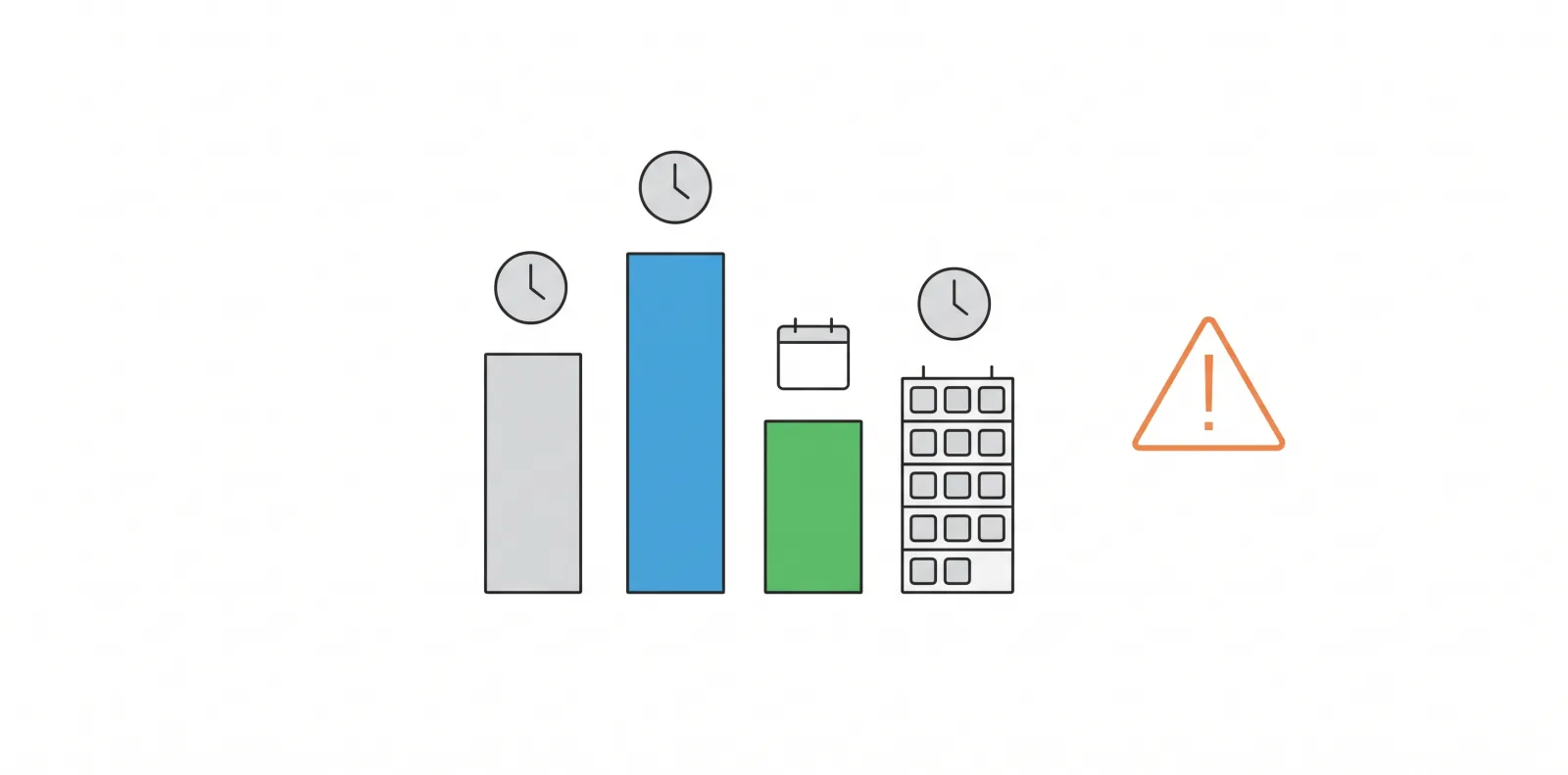
Germany counts days. International students may work a defined number of full days or half days per year, currently set at 140 full days or 280 half days. That is an annual budget, not a weekly cap, and it behaves completely differently. You can work intensively during vacation and not at all during a heavy examination term, provided the annual total holds. A student thinking in weekly hours will either under-use the allowance or overshoot it without realising.
The other three are weekly limits and they differ in ways that matter more than the raw numbers suggest, particularly in the United States, where the headline figure conceals a much more restrictive reality.
Here is what each country actually permits.
Background: Why These Rules Exist And Why Breaching Them Is Serious#
The purpose. Student visas are issued for study. Work rights are a concession allowing you to supplement your funding, not a licence to work with study attached. Every one of these countries frames it that way, and enforcement follows from that framing.
What breaching them costs. This is the part students underestimate. Exceeding permitted work hours is a breach of your immigration conditions. Consequences can include curtailment of your permission to stay, removal, refusal of future applications to that country, and in several cases a formal record that follows you into other countries' visa processes. It is not treated as a minor administrative matter.
Employers are also liable, which is why reputable employers check and why the ones willing to pay you cash without documentation are precisely the ones putting you at risk.
Two terms worth defining:
Term time versus vacation. Most systems permit more work during official vacation periods than during teaching terms. What counts as a vacation is defined by your institution's published calendar, not by when you personally have no classes.
On-campus versus off-campus. A distinction that barely matters in some countries and is decisive in the United States.
The Four Compared#
Canada permits 24 hours a week of off-campus work during academic sessions, raised from the earlier 20, and full-time work during scheduled breaks. On-campus work has its own provisions. This is currently the most generous of the four for ordinary part-time employment.
The United Kingdom permits 20 hours a week during term time for students at degree level, and full-time work during official vacation periods. Your institution defines the vacation dates, and there are restrictions on the type of work, including self-employment and certain professional roles.
The United States is the one that misleads. The 20 hours refers to on-campus employment during term. Off-campus work is not simply a matter of staying under an hour limit; it requires separate authorisation through Curricular Practical Training or Optional Practical Training, tied to your field of study and approved in advance. Working off campus without that authorisation is a status violation with serious consequences, and it is the single most common way international students in the US damage their immigration record.
Germany uses the annual day-based allowance described above. Certain categories of work, including student assistant roles at your own university, are treated differently, which is worth investigating because those roles are both better paid and more relevant than most alternatives.
What Part-Time Work Actually Covers#
A necessary reality check, because students frequently plan their finances around it.
It covers living costs, partially. Rent, food, transport and daily expenses, to a varying degree depending on the city and the wage.
It does not cover tuition at most destinations. A student working twenty hours a week at a typical part-time wage is not going to fund a substantial tuition bill. In Germany, where public university tuition is zero, part-time work can genuinely cover a large share of your total cost. In the United States, United Kingdom or Canada, where tuition is the dominant expense, it cannot.
Which is why the proof-of-funds requirements exist. Germany's €11,904 blocked account, Canada's financial requirements and the funding your US I-20 reflects are all built on the assumption that you are not depending on part-time earnings to survive. Planning to work your way through is planning against the system's own arithmetic.
And there is an academic cost. Twenty-four hours a week is most of a second job on top of a demanding programme. Students who work the maximum permitted frequently find their results suffer, which matters when your post-study work prospects depend on graduating well.
The sensible position. Treat part-time work as supplementary income that reduces your funding gap and gives you local experience and language practice. Do not treat it as a funding strategy.
Staying Within The Rules Without Losing Opportunities#
Read your own visa conditions rather than a general summary. Conditions are stated on your visa or permit and in your institution's guidance, and they can differ by programme level and institution type.
Keep records. Payslips, contracts and hours worked. If a question arises at extension or at a later application, your own records are the evidence.
Count vacation periods correctly. Official vacation dates come from your institution's published calendar. A gap in your personal timetable is not a vacation.
Prefer university employment where it exists. Student assistant and research assistant roles are frequently treated favourably in the rules, pay better than general part-time work, and count as relevant experience.
In the United States, do nothing off campus without authorisation. Not a small amount, not informally, not for a friend's business. The rule is categorical and the consequences are disproportionate to any earnings involved.
And if you need more income than the rules permit, address the funding rather than the rules. Scholarships, assistantships, a larger education loan or a cheaper destination are all real options. Working over the limit is the one option that can end your programme, your stay and your prospects of returning.
Finding Work That Actually Counts#
Hours are one constraint. What the work does for you is another, and students optimise for the first while ignoring the second.
University employment is the best category almost everywhere. Student assistant, research assistant, teaching support and library roles are frequently treated favourably in the rules, pay better than general part-time work, sit on your campus so travel time is minimal, and count as relevant experience. They are advertised internally and international students routinely fail to look.
Field-relevant work beats general work. A computing student doing part-time development work is building a curriculum vitae. The same student doing unrelated shift work is earning the same money and building nothing. Where a choice exists, the first is worth accepting at a lower wage.
Internships may sit under different rules. In several countries, a placement that forms part of your course is treated differently from ordinary part-time employment and may not count against your hour limits. Check, because this can create capacity you did not know you had.
Language work is undervalued. Students with strong English frequently find tutoring, editing and translation work that pays well and fits flexibly around study.
Build the relationship early. University departments hire assistants they already know. Attending office hours, engaging in class and expressing interest in a professor's work is how those roles are actually allocated.
And start looking before you need the money. The best roles are filled at the start of a semester, not when a student runs short in month four.
Contracts, Tax And Getting Paid Properly#
The administrative side of student work is where problems arise, and they are mostly preventable.
Insist on a written contract. It establishes your hours, your pay and your status, and it is the evidence you need if a question arises about compliance with your visa conditions. Work without documentation is precisely the work that creates immigration problems.
Understand your tax position. Most of these countries have tax-free thresholds or student-specific arrangements, and many students are below the point of significant liability. But registration requirements frequently apply regardless, and failing to register is an avoidable problem.
Get the identifiers you need early. Tax numbers, social security or insurance numbers, and a local bank account are prerequisites for most legitimate employment. Obtaining them takes time after arrival, which is why students frequently drift into cash work in their first months.
Avoid cash arrangements entirely. An employer willing to pay you without documentation is an employer who will not support you if your hours are questioned, and the risk sits with you rather than with them.
Keep your own records. Payslips, contracts and a note of hours worked, kept for the duration of your stay. Immigration authorities ask at extension or at later applications, sometimes years afterwards.
And check whether your employer needs to do anything. In several countries the employer has obligations too, including verifying your right to work. A reputable employer will ask for your documents, and one that does not is a warning rather than a convenience.
Frequently Asked Questions#
How many hours can I work as a student in Canada?#
Twenty-four hours a week off campus during academic sessions, raised from the earlier twenty, with full-time work permitted during scheduled breaks. On-campus work has separate provisions.
What is the UK limit?#
Twenty hours a week during term time for students at degree level, with full-time work permitted during official vacation periods as defined by your institution's calendar. Restrictions apply to certain types of work and to self-employment.
Why is the US different?#
Because the twenty-hour figure covers on-campus employment only. Off-campus work requires separate authorisation through Curricular or Optional Practical Training, tied to your field of study and approved in advance. Unauthorised off-campus work is a status violation.
How does Germany's rule work?#
Germany counts days rather than weekly hours, currently permitting 140 full days or 280 half days a year. It is an annual budget, so intensive vacation work and lighter term work are both possible provided the total holds.
Can part-time work pay my tuition?#
Generally not, except in Germany where public university tuition is zero and earnings can cover a large share of total costs. Where tuition is the dominant expense, part-time work supplements living costs rather than funding the degree.
What happens if I exceed the limit?#
Consequences can include curtailment of your permission to stay, removal, refusal of future applications and a record that affects other countries' visa processes. It is treated as a breach of immigration conditions rather than a minor matter.
Does work during vacation count towards the limit?#
Rules differ. The UK and Canada permit full-time work during official breaks without it counting against term-time limits. Germany's day-based allowance is annual, so vacation work does count towards the total.
Where should I confirm my own conditions?#
On your visa or permit itself, in your institution's international student guidance, and on the relevant immigration authority's official pages. Conditions vary by programme level and institution, so a general summary is not a substitute.