
The Problem Is Not Scarcity. It Is Paralysis.#
Ten years ago a student who wanted to learn something technical had to find a course, and the finding was the hard part.
That problem is comprehensively solved. Between government platforms, industry partnerships, academic portals and vendor programmes, an Indian student can access more free AI and technology courses than they could complete in a decade.
Which produces a different and stranger failure. Faced with unlimited options, most students take none, or take six unrelated introductory courses and arrive at an interview with a folder of certificates that establish nothing beyond a capacity for enrolment.
The useful question is not what is available. It is what carries weight, and at what cost in hours. Those two variables, credential value and time, are all you need to decide, and this article maps the main options against both.
One structural point first, because it determines everything else. A course is worth taking when it either gives you a credential an employer recognises, or gives you a capability you then use to build something. Courses that do neither are entertainment.
Background: The Four Kinds Of Free Course#
They are not interchangeable, and knowing which kind you are looking at answers most questions about whether to take it.
Government credit-linked programmes. Run by ministries and national councils, aligned to the national skills framework, and increasingly linked to academic credit. The flagship in this area is the Skilling for AI Readiness programme, run by the Ministry of Skill Development and Entrepreneurship with the National Council for Vocational Education and Training, delivered through the Skill India Digital Hub. Phase one comprises four foundational courses, aligned to national skills framework levels and credit-linked under the national credit framework with integration into the Academic Bank of Credits. As of 22 July 2026 the programme had recorded 4,96,426 enrolments and 98,576 certifications.
AICTE-linked industry cohorts. Structured ten-week virtual internships delivered by the EduSkills Foundation with AICTE and industry partners including AWS, Google Cloud, Microsoft Azure, Red Hat and others. Free, remote, cohort-based, and producing a certification from the named partner.
Academic courses through national online platforms. University-level courses delivered online, with optional paid certification and, in many cases, credit transfer arrangements. Substantially more rigorous than most alternatives and substantially more demanding.
Vendor courses from technology companies. Free introductory training from major technology firms in their own tools and platforms. Quality is generally good, the credential is recognised within that ecosystem, and the free tier usually sits below the paid certifications that carry real weight.
Two terms worth defining:
Credit-linked. A course whose completion can count towards formal academic credit rather than only producing a certificate.
Vendor certification. A credential issued by the company that makes the technology, such as a cloud platform's own associate-level certification. Generally the most respected type within its domain, and usually paid.
Mapping Value Against Time#
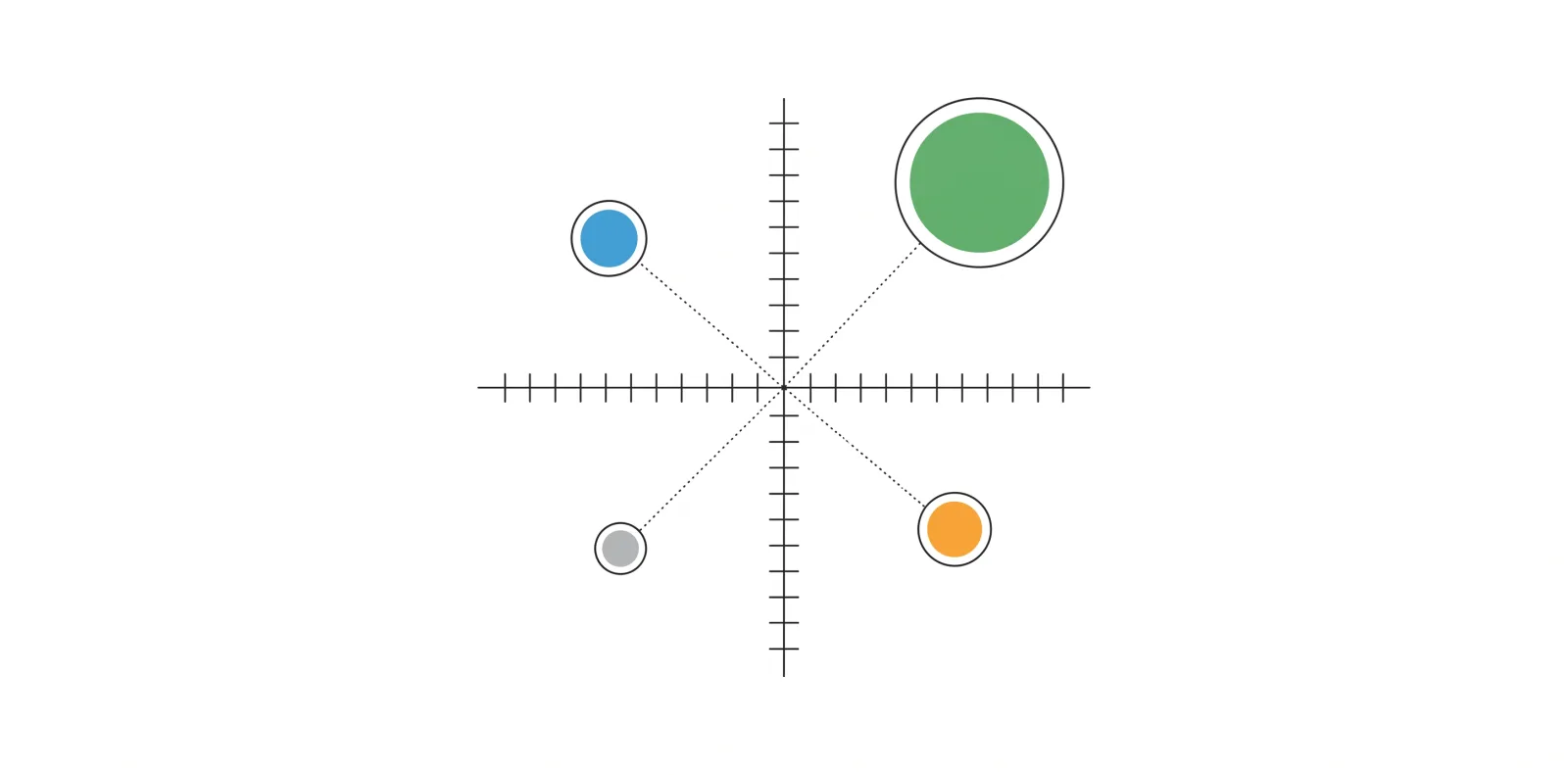
The upper-left quadrant is where a student should start. Government credit-linked programmes are short, free, and count towards formal credit, which means the time is not spent twice.
The upper-middle is where the substance is. AICTE industry cohorts take around ten weeks and produce a certification from a name an employer recognises. This is the best value on the chart for anyone with the time.
The right-hand side is for later. Academic online courses are genuinely rigorous and genuinely demanding, and they reward a student who already knows which area they want depth in. Taken speculatively in second year, they are usually abandoned.
The lower-left is not worthless, but it is not a plan. Vendor introductory courses are quick and useful for orientation. Collecting them is the specific failure mode this article exists to prevent.
The Sequence That Makes Sense#
Start with the government AI foundations. The four SOAR courses are short, free, credit-linked and nationally recognised, which makes them the lowest-cost entry point available to any Indian student. They are foundational rather than technical, which is exactly right as a starting point.
Then take one AICTE industry cohort in an area you might actually work in. Ten weeks, one cohort, completed properly including the labs. This produces the named, verifiable credential that recruiters filter on.
Then build something with it. This is the step almost everybody skips and it is the step that converts a certificate into a capability. A small deployed application, a working data pipeline, an automated process. Anything you can describe in four sentences including one decision you would make differently.
Then, if you have found the area you want, go deeper through the academic platforms. This is where genuine rigour lives, and it is worth the effort once you know the direction. A well-chosen university course in your area, completed in your third year, is worth more than five introductory certificates.
Then consider a paid vendor certification. The free cohorts are an excellent way to decide whether a paid associate-level certification in that ecosystem is worth your money, which is a decision you can now make from experience rather than from marketing.
Do not do these simultaneously. The commonest reason students fail to complete courses is enrolling in four at once.
Judging A Course Before You Commit Ten Weeks#
Ask what the credential is and who issues it. A certificate from a recognisable partner, a government body or a university means something. A certificate from an unnamed platform generally does not.
Check the ratio of practical work to video. The capability comes from the labs and exercises. A course that is predominantly video will teach you vocabulary that evaporates within a month.
Find out the time commitment honestly, and then assume it is higher. A ten-week course described as requiring a few hours a week requires more than that if you do the practical work properly, and doing the practical work properly is the entire point.
Check whether it is credit-linked, because a course that counts towards your degree is effectively free twice.
Ask a senior who completed it. Five minutes with someone a year ahead of you tells you what the course description cannot: how heavy it actually is, whether the content was current, and whether anyone in an interview ever asked about it.
And check whether it leads anywhere. A free course that is the recognised first rung towards a respected paid certification is worth more than a standalone one, because it gives you a path rather than a plaque.
The Failure Mode To Avoid#
It is worth stating the anti-pattern plainly, because it is extremely common and entirely avoidable.
Certificate collecting. A student enrols in eight introductory courses across a semester, completes six, and adds all of them to their profile. The resulting impression is not of a capable person but of someone who consumes courses. Recruiters have seen thousands of these profiles and discount them accordingly.
The reason it fails is that introductory courses are not scarce. Anyone can complete one. A credential is only a signal if it is costly to obtain, and free introductory certificates are cheap by design. Their value is as an entry point, not as evidence.
What is scarce is something you built. One certification plus one project you can defend beats eight certifications with nothing attached, every time, because the project is the part nobody else has.
The corollary is to finish what you start. An abandoned cohort teaches nothing and signals nothing. One completed course with a project attached is a better semester than four enrolments and two completions.
And keep your own record of what you actually learned, not only what you enrolled in. The question in an interview is never how many courses you took.
Making A Free Course Actually Finish#
Completion rates on free online courses are notoriously poor, and the reasons are well understood. A few deliberate arrangements fix most of it.
Block fixed times in a calendar and treat them as timetabled. The failure is almost never difficulty; it is that a self-paced course has no external deadline and everything with a deadline wins. Two fixed sessions a week, protected, is usually enough.
Enrol in one thing at a time. Four simultaneous enrolments produce zero completions with striking reliability. One produces one.
Do the practical work rather than watching it. Passive consumption feels like progress and produces none. If a course has labs, the labs are the course and the videos are the introduction.
Find one other person doing it. A classmate on the same cohort, with a weekly five-minute check, roughly doubles the chance either of you finishes. No structure required beyond the check itself.
Expect a slump around the middle. Almost every cohort loses people in the middle third, when the content gets harder and the novelty has gone. Knowing it is coming makes it survivable.
Put the end date somewhere visible and plan the project immediately after. Deciding in advance what you will build with the skill converts the course from an end into a step, and a step is much easier to take.
And if you do abandon one, say why to yourself honestly. Wrong area, wrong level, wrong time in the term. That diagnosis is worth something for the next attempt, which is more than a vague sense of failure is worth.
Frequently Asked Questions#
What is the SOAR programme?#
Skilling for AI Readiness, run by the Ministry of Skill Development and Entrepreneurship with the National Council for Vocational Education and Training, offering foundational AI courses free on the Skill India Digital Hub. The courses are aligned to the national skills framework and credit-linked, and by 22 July 2026 it had recorded 4,96,426 enrolments and 98,576 certifications.
Which free course gives the strongest credential?#
The AICTE and EduSkills industry cohorts, because they produce a certification from a named technology partner that recruiters recognise and filter on. They cost around ten weeks, which is the highest time commitment among the free options and the best return.
Are government courses taken seriously by employers?#
The credit-linked ones carry formal recognition within the national framework, which matters for academic credit and for public sector contexts. For private technology employers, an industry-partner certification is generally a stronger signal, which is why the sensible approach is to take both.
How many courses should I take?#
Far fewer than you think. One government foundation set, one industry cohort completed properly, and one project built with it will do more for you than eight introductory certificates.
Why is certificate collecting a problem?#
Introductory certificates are cheap to obtain by design, so they carry little signal. A profile listing eight of them with nothing built suggests someone who consumes courses rather than someone who can do the work.
Should I pay for a certification?#
Possibly, after a free cohort has told you whether the area suits you. Paid associate-level vendor certifications carry more weight than free introductory ones, and the free route is an excellent way to decide before spending money.
How do I choose between areas?#
Start from where the demand actually is in your discipline and from what you find tolerable to do for hours at a time. Both matter, and students routinely optimise only for the first and then abandon the course.
What is the single most important step?#
Building something with what you learned. The certificate opens a conversation; the project is what sustains it, and it is the step almost everyone skips.